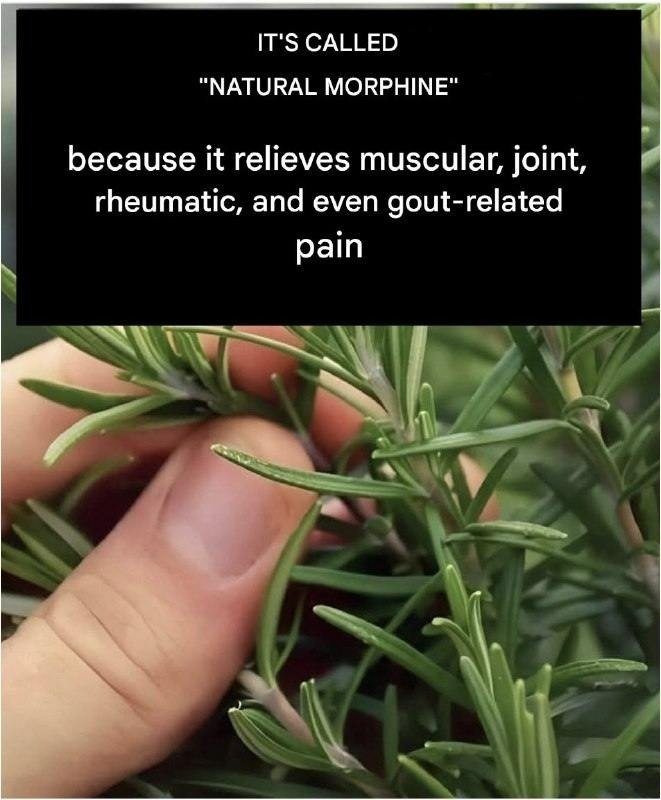
Rosemary thrives in conditions that mimic its native habitat.
Sunlight: Full sun—at least 6–8 hours of direct sunlight daily. A south-facing window or balcony is ideal.
Soil: Well-draining, sandy, or gritty soil is non-negotiable. Use a cactus/succulent mix or standard potting soil amended with perlite or coarse sand (30–50%).
Container: Choose a pot with ample drainage holes. Terra cotta is excellent as it wicks away excess moisture. Start with at least a 8–12 inch pot to accommodate growth.
Watering: Water deeply only when the top 1–2 inches of soil are completely dry. Then, allow water to drain fully. Overwatering is the #1 killer of rosemary. Reduce watering in winter.
Temperature & Humidity: Prefers warm, dry air (65–80°F). It is not frost-hardy. Bring indoors if temperatures dip below 30°F (-1°C). It tolerates low humidity well.
Step 3: Care for Abundant Growth
Feeding: Fertilize sparingly. Use a balanced, organic liquid fertilizer diluted to half strength, once in early spring and once in mid-summer. Too much fertilizer reduces essential oil concentration.
Pruning: Harvest regularly to promote bushier growth. Never remove more than 1/3 of the plant at once. Pinch off stem tips frequently.
Overwintering (Cold Climates): Bring potted rosemary indoors to a bright, cool (40–60°F) location. A sunny, unheated garage or porch can work. Water very sparingly.
Step 4: Harvest & Use for Wellness
Harvest: Snip sprigs as needed, ideally in the morning after dew dries when essential oils are peak.
For Memory & Focus: Use fresh or dried in:
Culinary Uses: Add to roasted vegetables, meats, bread, or infused oils.
Tea: Steep 1 tsp of dried leaves (or a 3-inch sprig fresh) in hot water for 10 minutes. Combine with lemon for a refreshing drink.
Aromatherapy: Simply crushing a sprig and inhaling its scent has been shown in studies (e.g., Therapeutic Advances in Psychopharmacology) to improve memory performance and alertness.
Important Wellness Disclaimer & Consultation
This information is for educational purposes only.
Rosemary and other herbs are dietary supports, not cures for neurological conditions.
Always consult with a qualified healthcare provider or neurologist for any memory concerns or disorders. They can provide a proper diagnosis and treatment plan.
Herbs can interact with medications (e.g., blood thinners, antidepressants, diabetes drugs). Discuss with your doctor before beginning any new herbal regimen.
Conclusion: A Rewarding Partnership
Growing rosemary connects you to a timeless tradition of herbal wellness. By providing plenty of sun, excellent drainage, and mindful harvesting, you’ll cultivate an abundant plant that nourishes both your kitchen and your cognitive well-being.
For personalized guidance, please specify the plant name from your graphic, and I can tailor the growing instructions precisely.