Choosing the food that ends up on your table is one of the most personal decisions you make each day. For many older adults, especially those who grew up with family farms or have memories of buying meat from trusted local butchers, the question of store-bought versus farm-raised beef is more than a practical choice. It is about quality, taste, and confidence in what you are feeding yourself and your family.
As interest grows in healthier eating and sustainable food sources, the distinction between store-bought beef and farm-raised beef has become an important topic. Understanding these differences can help you make choices that feel right for your lifestyle, your budget, and your values. Whether you shop at a large supermarket or prefer supporting local farmers, knowing how your beef is raised gives you a clearer picture of what you are truly buying.
This guide takes a closer look at the qualities that set store-bought and farm-raised beef apart, with a focus on taste, sourcing, and how each option fits into today’s food landscape.
The Quality and Taste of Your Beef
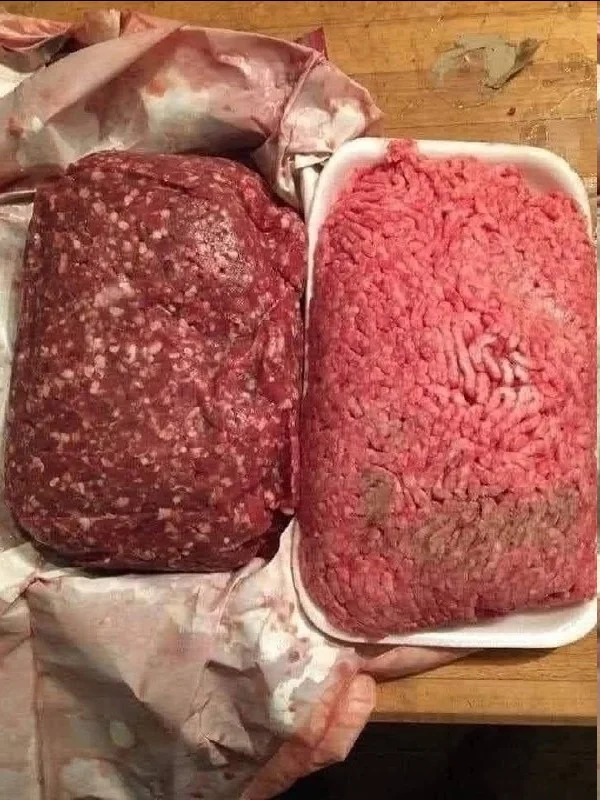
For many shoppers, taste is the first noticeable difference between store-bought and farm-raised beef. People who have enjoyed beef from smaller local farms often describe the flavor as fuller and more traditional, similar to what they remember from earlier years when farms were more common.
Farm-raised beef, particularly from smaller or family-operated farms, generally comes from cattle that spend more time on pasture. These animals often start with a grass-fed diet and may be finished with grains to create a balanced flavor and texture. This combination can lead to beef that feels firmer, with richer marbling and a more pronounced, natural taste.
Supermarket beef, on the other hand, is typically sourced from large producers who use feedlots designed to raise cattle quickly and consistently. The cattle often receive a high-grain diet, and their living environment is structured for efficiency rather than open grazing. This approach gives the beef a uniform appearance and tenderness that many shoppers are used to seeing in stores. However, some people feel that store-bought beef lacks the deeper flavor that comes from cattle raised with more space and a varied diet.
Taste preferences vary, ofcourse, but if you have ever compared a steak from a local farm with one from a grocery chain, you may have noticed this difference firsthand.