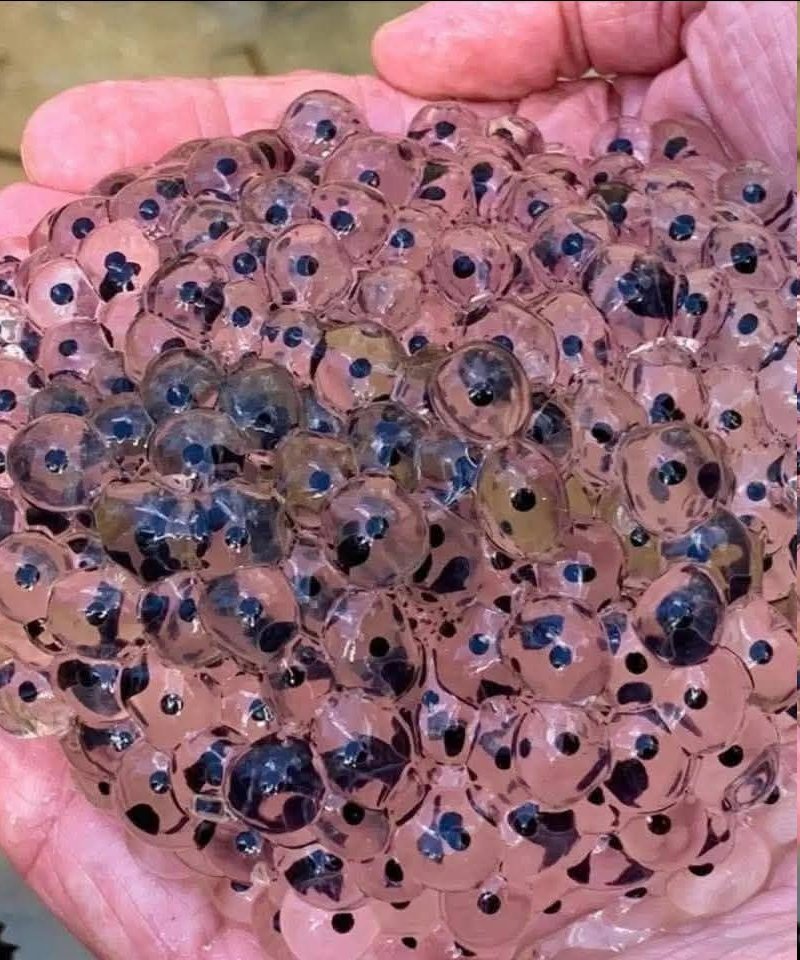
- Call: A high-pitched trill, often heard at night after rain
- Habitat: Forests, gardens, and even farmland
- Breeding Season: Late spring to early summer
- Defense: Produces a mild toxin (harmless to humans)
- Special Feature: Sticky toe pads that allow them to climb trees
How Farmers and Landowners Can Help
Encounters like this show how agriculture and nature can coexist. Here are simple ways to support local wildlife:
- Preserve small or temporary water sources
- Avoid using pesticides near water
- Leave natural debris like leaves or wood for shelter
- Report unusual wildlife sightings to local experts
Even small actions can make a big difference in preserving biodiversity.
Common Myths About Frogs
- “Frogs only live in forests” → False, they adapt to many environments
- “Strange eggs are dangerous” → Most are harmless native species
- “It’s okay to move frog eggs” → Not recommended, it can spread disease
- “Frogs only lay eggs in lakes” → Many prefer temporary pools
Final Thought
You don’t need to travel far to witness nature’s wonders. Sometimes, all it takes is a moment of curiosity and a closer look at your surroundings.
What seemed like a strange discovery turned into a reminder of how life quietly adapts and thrives—even in unexpected places.
So next time you’re outside… pause, observe, and stay curious.