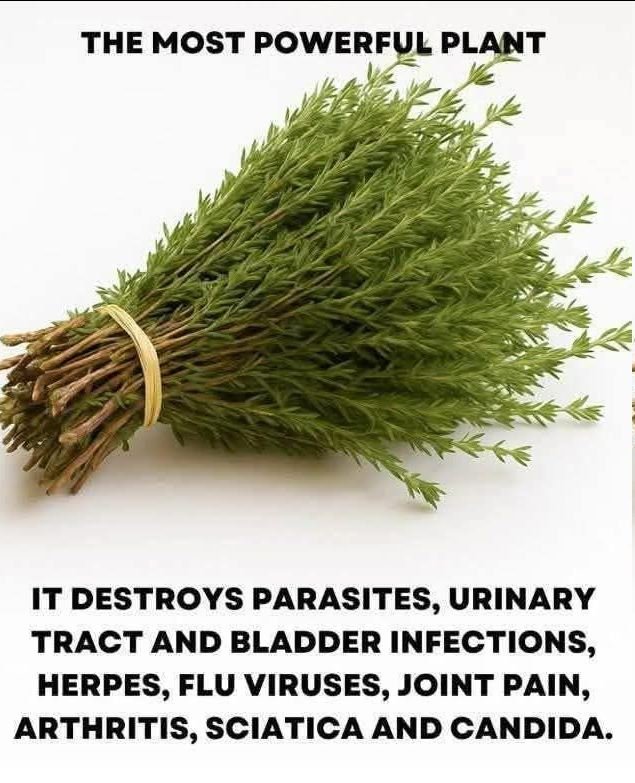
- Used in traditional herbal blends for parasite cleansing
- Wormwood contains artemisinin, studied for antiparasitic effects (especially in malaria)
- Often combined with cloves and pumpkin seed in “parasite cleanse” formulas
These should never replace medical treatment for confirmed parasitic infections.
5. Goldenseal – Contains Berberine
- Berberine has antimicrobial and anti-inflammatory properties
- Lab studies show activity against bacteria, fungi, and protozoa
- Often paired with echinacea for immune support
Avoid long-term use; not for pregnant women.
6. Pumpkin Seeds – Natural Deworming Support
- High in cucurbitacin, a compound that paralyzes intestinal worms
- Traditionally used in folk medicine for tapeworm and roundworm
- Safe and nutritious — great for kids and adults
Eat raw or add to smoothies.
How to Use These Herbs Safely
Always talk to your doctor before starting any herbal regimen — especially if you have a medical condition or take medications.
When to See a Doctor
Natural support is great — but some conditions need medical treatment.
Seek care if you have:
 Fever, chills, or back pain (signs of kidney infection)
 Diarrhea, bloating, or weight loss (possible parasitic infection)
 Painful urination that doesn’t improve in 1–2 days
 Nausea, vomiting, or blood in urine/stool
Parasites and UTIs are diagnosed with lab tests — don’t self-treat serious conditions.
Final Thoughts
Nature offers powerful tools — but wisdom lies in knowing when to use them.
While herbs like uva ursi, garlic, and pumpkin seeds may support your body’s natural defenses, they are not magic cures.
True health comes from:
 Supporting your body with real food and herbs
- Listening to your body and seeking care when needed
 Combining natural wellness with modern medicine
Because the best approach isn’t “natural vs. medical” —
it’s informed, balanced, and safe.