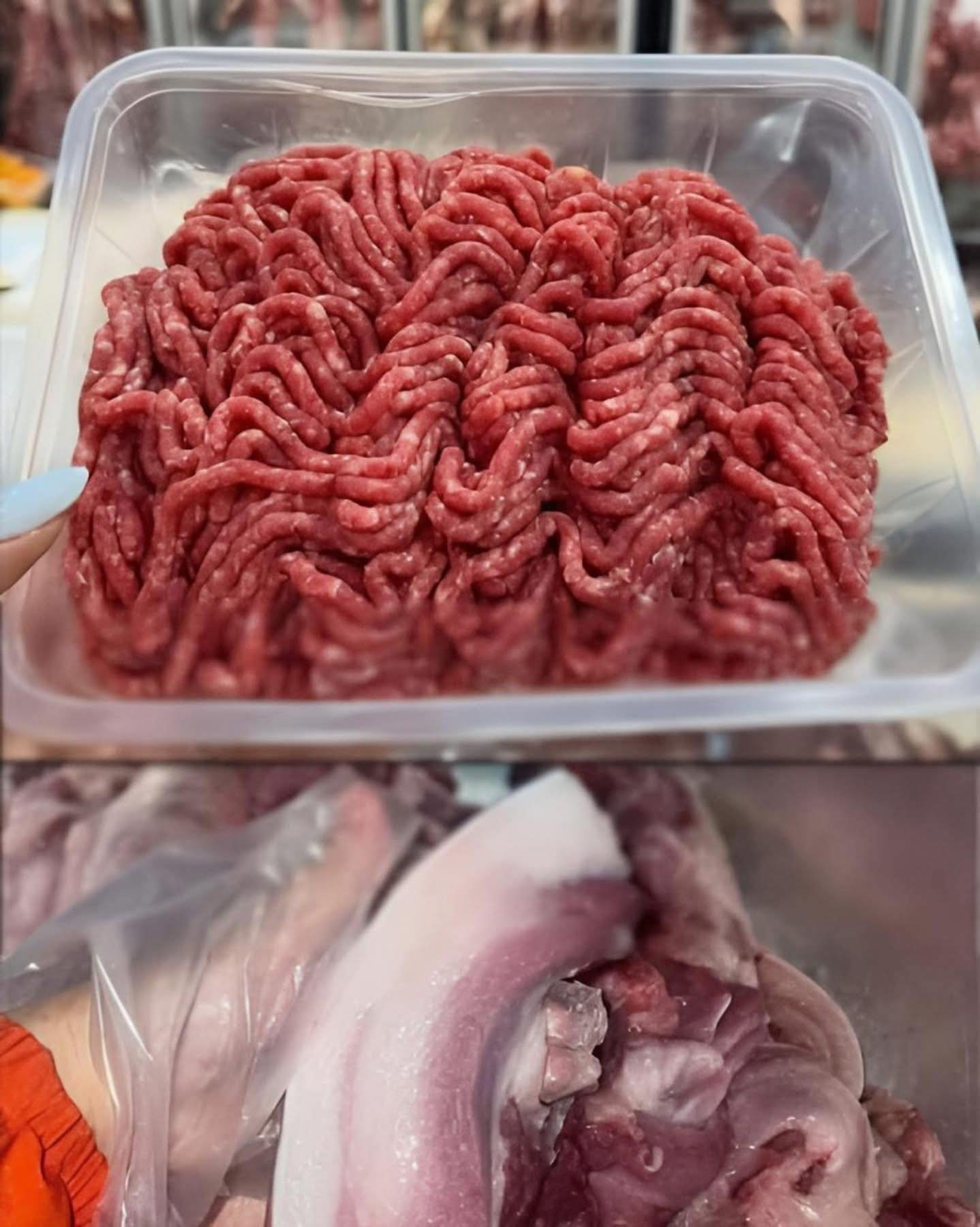
Before You Buy: Understanding Meat Quality, Safety, and Smart Shopping Choices
Introduction
In today’s fast-paced world, food is more accessible than ever. Supermarkets, specialty stores, and online delivery services offer countless options, making it easy to get meals on the table. But this convenience can also create a disconnect between consumers and how meat is sourced, processed, and handled.
Learning to evaluate meat quality is an important skill. It helps you make informed choices for yourself and your family. By paying attention to freshness, labeling, storage conditions, and sourcing practices, you can improve both the safety and quality of the meat you buy.
Why Meat Quality Matters
Meat quality affects taste, texture, safety, and nutritional value. Fresh, properly handled meat offers better flavor, improved tenderness, and lower risk of contamination.
Low‑quality or improperly stored meat can pose health risks. That’s why it’s essential to recognize key indicators of freshness and quality before purchasing.
Recognizing Freshness
Use these visual and physical cues to evaluate fresh meat:
| Factor | What to Look For |
|---|---|
| Color | Natural, vibrant color appropriate for the meat type – not dull or excessively dark |
| Texture | Firm and slightly moist – not sticky or overly dry |
| Packaging | Intact, no leaks or excessive liquid, no damage |
Taking a moment to check these details helps ensure you’re selecting a quality product.
The Importance of Food Safety
Proper storage, handling, and cooking are essential to reducing the risk of foodborne illness.
-
Refrigerate meat as soon as possible after purchase
-
Keep raw meat separate from other foods to avoid cross‑contamination
-
Use clean utensils and surfaces when handling raw meat
-
Cook meat thoroughly to recommended internal temperatures
These simple steps help maintain a safe kitchen environment.