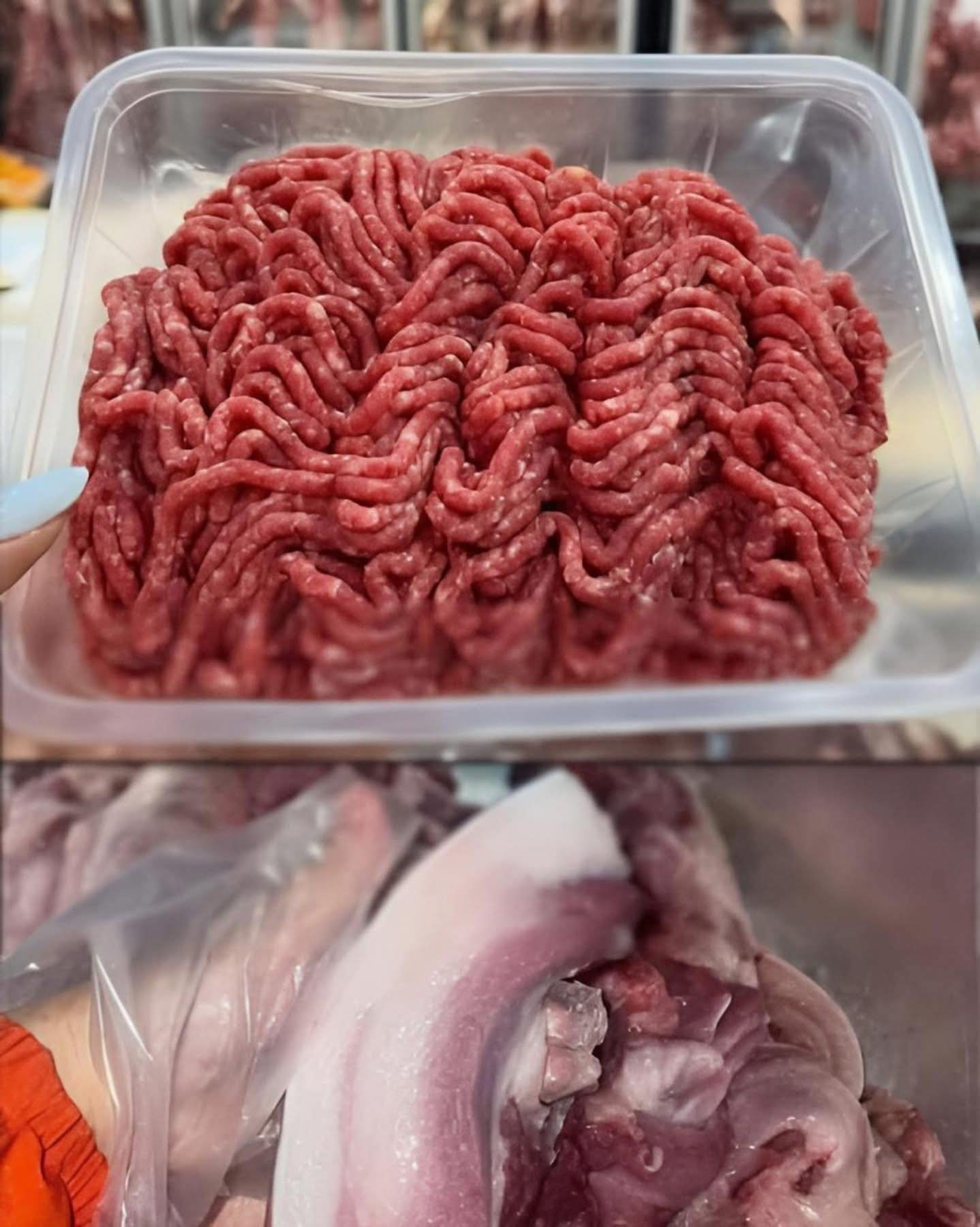
Children, older adults, and individuals with weakened immune systems are more sensitive to foodborne illnesses. For these groups, extra care should be taken when selecting, storing, and preparing meat – ensuring it is fresh, properly stored, and fully cooked.
Understanding Labels
Food labels provide valuable guidance. Here’s what common terms mean:
| Label Term | Meaning |
|---|---|
| Sell‑by date | How long a store should display the product for sale |
| Use‑by date | Last date recommended for peak quality |
| Best‑before date | Refers to quality, not safety |
Note: These dates are helpful, but always combine them with visual inspection and proper storage.
Certifications and Sourcing
Certifications offer insight into farming practices and animal welfare. While they don’t guarantee better taste, they can help you choose products that align with your values.
-
Organic: Certain standards for feed and farming methods
-
Pasture‑raised: Animals had access to outdoor spaces
-
Other certifications: May reflect additional quality or ethical standards
Smart Shopping Habits
Develop these mindful habits to improve meat quality and safety:
-
Shop from reputable stores with good hygiene practices
-
Check packaging and expiration dates carefully
-
Keep meat cold during transport (especially in warm weather)
-
Plan purchases to avoid unnecessary storage time
A little attention while shopping goes a long way.
Storage at Home
Proper storage continues after you leave the store.
-
Refrigerate meat at appropriate temperatures (below 40°F / 4°C)
-
Freeze meat if you won’t use it within a few days
-
Store meat in sealed containers or original packaging
-
Keep raw meat separate from ready‑to‑eat foods
Good storage preserves both quality and nutritional value.
Conclusion
Making informed decisions when buying meat doesn’t require expert knowledge – just attention to detail. Focus on freshness, understand labels, practice safe handling, and choose reliable sources. These steps will significantly improve the quality of your food and reduce potential risks.
A little extra awareness during shopping ensures that the meals you prepare are both safe and enjoyable. With the right approach, you can confidently select products that meet your standards and support a healthy lifestyle.
Disclaimer
The information provided in this article is for general informational purposes only and should not be considered professional or medical advice. Always follow official food safety guidelines and consult qualified professionals for specific concerns related to food handling and health.