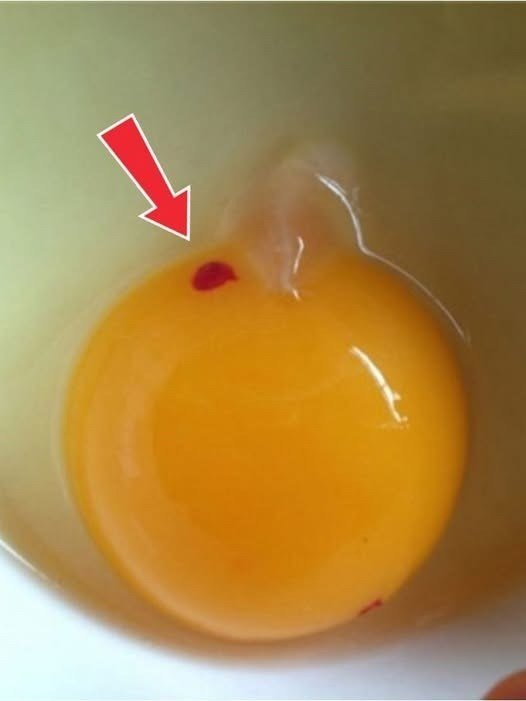
A common belief is that a red spot means the egg was fertilized, but that is not correct. The spot is simply the result of a tiny blood vessel breaking inside the hen’s system. This can happen for many normal reasons and does not affect the egg’s overall quality.
Where the spot appears can offer a clue:
• A spot in the yolk indicates the small vessel broke in the hen’s ovary.
• A spot in the egg white suggests it occurred later, as the egg traveled through the oviduct, the passageway where the egg develops its layers.
These small breaks are a natural occurrence and do not harm the egg in any way.
Best Practices for Handling and Cooking Eggs
Red spots aside, the most important part of enjoying eggs safely is proper storage and cooking. A few easy habits can help keep your kitchen confident and your meals enjoyable.
Storage tips:
• Refrigerate store-bought eggs as soon as you bring them home.
• Farm-fresh eggs may remain at room temperature if they have not been washed, but they should be kept in a cool, shaded place.
• Avoid using eggs with cracked shells, as cracks can allow unwanted bacteria to enter.
Cooking tips:
• Wash your hands before and after handling raw eggs.
• Cook eggs until both the yolk and white are firm.
• Recipes requiring lightly cooked or uncooked eggs should use pasteurized eggs to reduce the chance of spoilage.
• Keep cooked eggs refrigerated and enjoy them within about a week for best quality.
Transporting eggs:
When taking eggs on the go—for a picnic or day trip—keep them in a cooler or insulated bag with an ice pack. Eggs should not sit in direct sunlight or in warm temperatures.
Staying Attentive and Informed
Occasionally, even properly handled food may cause discomfort. If you ever feel unwell after eating, rest, hydrate, and contact a healthcare professional for guidance. While such situations are uncommon, it’s always best to listen to your body.
Understanding what is normal inside an egg—and what isn’t—can help reduce waste and make cooking feel easier and more enjoyable. A small red spot may look surprising, but for most home cooks, it’s simply a natural part of what an egg can look like. With safe handling and proper preparation, eggs remain one of the most versatile and nourishing foods in the kitchen.